Myxomatous Mitral Valve Disease, or MMVD, is the most common acquired heart disease in dogs. It is especially common in small-breed and older dogs.
Breeds such as Cavalier King Charles Spaniels, Chihuahuas, Poodles, Dachshunds, Maltese, Shih Tzus, Pomeranians and Yorkshire Terriers are commonly affected, although any dog can develop mitral valve disease.
MMVD usually develops slowly over time. The mitral valve is located between the left atrium and left ventricle of the heart. As the valve becomes thicker and less flexible, it may no longer close properly.
This causes mitral regurgitation, which means that some blood leaks backward into the left atrium every time the heart beats.
Over time, this extra blood volume can cause the left atrium and left ventricle to become enlarged.

How Common Is Mitral Valve Disease in Dogs?
MMVD is considered the most common heart disease in dogs, particularly in older small-breed dogs.
One of the largest studies of dogs with MMVD, the LOOK-Mitral registry, included more than 6,000 dogs diagnosed with mitral valve disease.
The median age of affected dogs was around 10 years, and approximately 88% weighed less than 20 kg.
Among classified dogs in this study:
- 65% had Stage B1 disease
- 15% had Stage B2 disease
- 20% had Stage C disease
These numbers represent dogs already diagnosed with MMVD rather than the general dog population, but they show that many dogs are identified before they develop heart failure.

Stages of Mitral Valve Disease in Dogs
Veterinarians commonly use the ACVIM staging system to describe how advanced mitral valve disease is and whether treatment is needed.
Stage A
Stage A dogs do not currently have mitral valve disease, but they may be at higher risk of developing it in the future.
This includes some breeds with a known predisposition to MMVD.
At this stage, there is no significant heart murmur caused by MMVD, no heart enlargement and no need for cardiac medication.
Regular heart examinations are recommended, especially as the dog gets older.
Stage B1
Stage B1 means that mitral valve disease is present, but the heart has not developed significant enlargement.
A heart murmur is often the first sign and may be detected during a routine veterinary examination.
Most Stage B1 dogs feel completely normal at home.
At this stage:
- mitral regurgitation is present
- there are no signs of congestive heart failure
- significant enlargement of the left atrium and left ventricle is not present
- cardiac medication is usually not required
Regular monitoring is important because some dogs may remain stable for years, while others gradually progress to Stage B2.
In the LOOK-Mitral registry, Stage B1 was the most common stage and represented approximately 65% of classified dogs with MMVD.
Stage B2
Stage B2 means that mitral valve disease has progressed enough to cause enlargement of the left atrium and left ventricle, but the dog has not developed congestive heart failure.
Most dogs with Stage B2 MMVD may still look completely normal at home. They may eat normally, exercise normally and show no obvious signs of heart disease.
This is an important stage because treatment can help delay progression toward heart failure.
In the LOOK-Mitral registry, approximately 15% of dogs were classified as Stage B2.
According to the criteria used in this study, Stage B2 is associated with enlargement of both the left atrium and left ventricle while the dog has no current or previous signs of congestive heart failure.
Regular echocardiography and follow-up examinations are particularly important during this stage.
Stage C
Stage C means that the dog has developed, or has previously experienced, congestive heart failure.
This usually occurs when pressure in the left side of the heart becomes high enough to cause fluid accumulation in the lungs, known as pulmonary edema.
Signs may include:
- fast breathing
- difficulty breathing
- reduced exercise tolerance
- coughing
- weakness
- reduced appetite
- fainting or collapse
Dogs in Stage C usually require a combination of cardiac medications and closer monitoring.
In the LOOK-Mitral registry, approximately 20% of classified dogs were in Stage C, and these dogs were more likely to have breathing difficulty, cough, fainting episodes and rhythm disturbances.
Stage D
Stage D represents advanced or refractory congestive heart failure.
These dogs continue to show signs of heart failure despite standard medical treatment and usually need more intensive and individualized management.
Treatment may include changes in diuretic therapy, additional heart medications, oxygen support and more frequent monitoring.
The goal at this stage is to control symptoms and maintain the best possible quality of life.

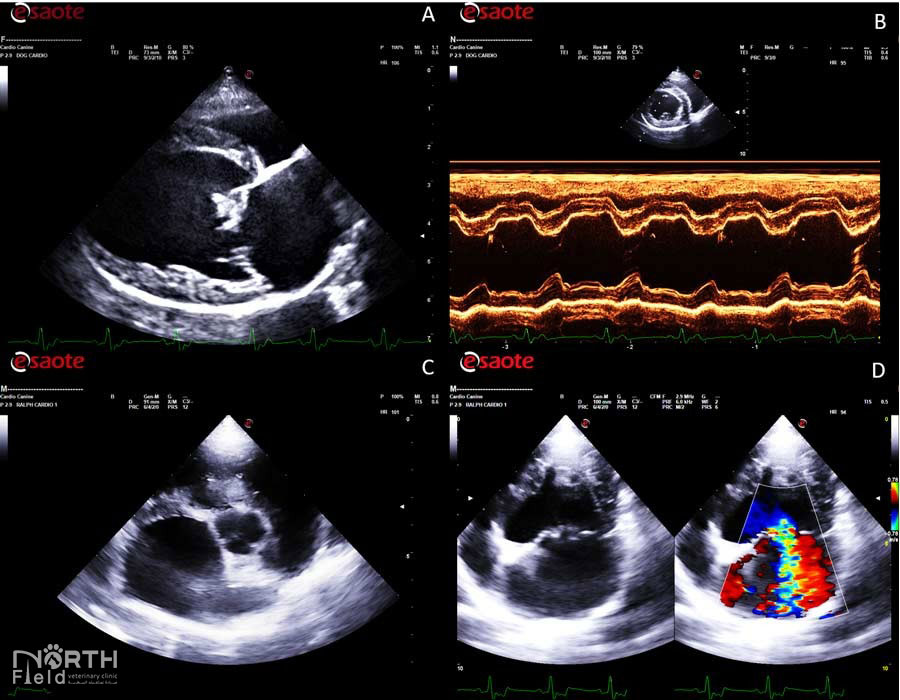
Why Is Echocardiography Important?
A heart murmur can suggest mitral valve disease, but the murmur alone cannot tell us how advanced the disease is.
An echocardiogram allows the veterinarian to assess:
- the mitral valve
- the amount of mitral regurgitation
- the size of the left atrium
- the size of the left ventricle
- heart function
- pulmonary pressure
- other cardiac abnormalities
Echocardiography is therefore one of the most important tests for diagnosing and accurately staging mitral valve disease in dogs.
This is particularly important because a dog with a heart murmur may be Stage B1 and require monitoring only, or Stage B2 and benefit from treatment.
Does Stage B2 Mean Heart Failure?
No.
A dog with Stage B2 mitral valve disease does not have congestive heart failure.
Stage B2 means that the heart has started to enlarge as a result of mitral regurgitation, but fluid has not accumulated in the lungs.
Dogs that develop congestive heart failure move into Stage C.
Signs Owners Should Watch For
Owners of dogs with MMVD should monitor for changes such as:
- faster breathing while sleeping
- difficulty breathing
- persistent or worsening coughing
- reduced exercise tolerance
- unusual tiredness
- weakness
- fainting or collapse
- reduced appetite
One of the most useful things to monitor at home is the dog’s sleeping respiratory rate.
A gradual or persistent increase in breathing rate may be an early warning that the disease is progressing.
Coughing does not always mean heart failure. Older small-breed dogs may also have airway disease, so new respiratory signs should always be properly investigated.
Treatment of Mitral Valve Disease
Treatment depends on the stage of disease.
Dogs in Stage B1 are usually monitored without medication.
Once a dog reaches Stage B2 and meets the appropriate criteria, cardiac treatment may be recommended to help delay the development of congestive heart failure.
Dogs in Stage C usually require several medications to control heart failure and reduce fluid accumulation in the lungs.
Stage D dogs require more advanced and individualized treatment.
Regular follow-up examinations are important at every stage because MMVD is a progressive disease and the speed of progression varies between dogs.
Can Mitral Valve Disease Be Treated With Surgery?
Yes.
Medical treatment helps control the effects of mitral regurgitation and heart failure, but it does not repair the damaged valve itself.
Mitral valve repair surgery is different because it aims to correct the abnormal valve and reduce the amount of blood leaking backward.
During surgery, the damaged mitral valve is reconstructed so that it can close more effectively.
Depending on the patient and surgical technique, this may involve:
- repairing or replacing damaged chordae
- reshaping the mitral valve
- reducing the size of the valve opening with an annuloplasty procedure
The aim is to improve valve function and reduce the volume overload on the heart.
Which Dogs May Be Candidates for Mitral Valve Surgery?
Mitral valve surgery may be considered in carefully selected dogs with significant mitral regurgitation.
Potential candidates may include some dogs with:
- Stage B2 MMVD with significant heart enlargement
- Stage C disease
- severe mitral regurgitation
- progressive enlargement of the left atrium and left ventricle
- otherwise good general health
Not every dog is suitable for surgery.
Age, kidney function, pulmonary hypertension, other medical conditions and overall anesthetic and surgical risk must all be considered before making a decision.
A detailed cardiology assessment is therefore required before referral for surgery.
Is Mitral Valve Surgery Available Everywhere?
Mitral valve repair in dogs is a highly specialized procedure and is currently available only in a limited number of veterinary cardiac surgery centers worldwide.
The procedure requires a specialist cardiac surgical team, cardiopulmonary bypass and advanced intensive care facilities.
For suitable patients, referral to an experienced veterinary cardiac surgery center may be considered.
Medical Treatment or Surgery?
For most dogs with MMVD, management starts with accurate diagnosis, correct staging, regular monitoring and appropriate medication when indicated.
Medical treatment can help delay progression, control congestive heart failure and maintain quality of life.
Surgery is a more advanced option because it aims to repair the valve itself, but it is more invasive and available only in specialist centers.
The best approach depends on the individual dog, stage of disease, overall health and the owner’s preferences.

Prognosis
Mitral valve disease is progressive, but the rate of progression can be very different from one dog to another.
Many dogs with Stage B1 or Stage B2 MMVD can remain comfortable and active for a long period.
Regular cardiac examinations and echocardiography allow us to detect changes early and adjust treatment when necessary.
Early diagnosis, accurate staging and regular monitoring are the key steps in managing mitral valve disease in dogs and choosing the right treatment at the right time.
Don’t wait until symptoms become severe. Book a cardiac consultation with our specialists today and give your pet the best care possible.